 Rational
 China
 Japan
 Pakistan
 Bangladesh
 South Korea
 Israel
 Palestine
 Iran
 Saudi Arabia
 United Arab Emirates
 Türkiye
 Egypt
 United Kingdom
 France
 Germany
 Ukraine
 Russia
 United States
 Canada
 Brazil
 Nigeria
 South Africa
 Australia
 India
How India counts its people: the census
Who runs the census, the two stages of the count, what you are asked — and why your answers stay confidential.

India has counted its people every ten years since 1881. The census is carried out under the Census Act, 1948 by the Office of the Registrar General and Census Commissioner, part of the Ministry of Home Affairs. The count due in 2021 was postponed; the next one is Census 2027.
Two stages
- Houselisting and housing census. Enumerators list every building and household and record the condition of the house, its amenities — water, toilet, electricity, cooking fuel — and assets.
- Population enumeration. Every person is counted, with their age, sex, marital status, religion, Scheduled Caste or Scheduled Tribe status, mother tongue, education, work and migration. Census 2027 also records caste.
For Census 2027 the reference date is 1 March 2027; for the snow-bound areas of Ladakh, Jammu and Kashmir, Himachal Pradesh and Uttarakhand it is 1 October 2026. The figures describe the population as it stood at that moment.
How it is done now
Census 2027 is India’s first digital census: enumerators record answers on mobile phones, and households can choose to fill in their own details online before the enumerator visits.
Your answers are confidential
Section 15 of the Census Act makes the information given by a person confidential. It cannot be used as evidence in a court, and it is published only as totals.
Why it matters
Census figures decide much more than headlines: the number of seats reserved for Scheduled Castes and Scheduled Tribes, the delimitation of constituencies, and the planning of schools, hospitals and welfare schemes.

How the Election Commission of India works
Who the commissioners are and how they are chosen, what the Commission controls — and what it does not.
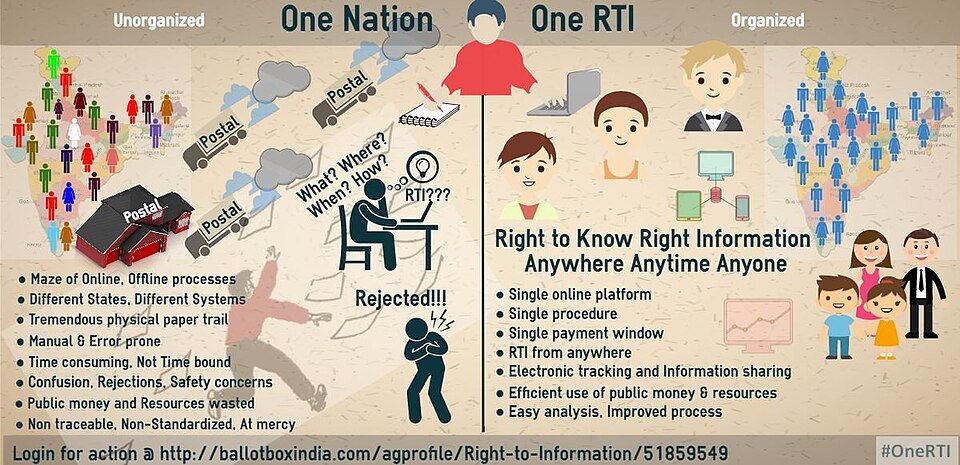
How to use the Right to Information Act
Any citizen can ask a public authority for information. How to apply, how long they have to answer, how to…

How the Supreme Court hears a case
Writ petitions, special leave, constitution benches, review and curative petitions — the routes into India’s…
Comments (0)