 Rational
 China
 Japan
 Pakistan
 Bangladesh
 South Korea
 Israel
 Palestine
 Iran
 Saudi Arabia
 United Arab Emirates
 Türkiye
 Egypt
 United Kingdom
 France
 Germany
 Ukraine
 Russia
 United States
 Canada
 Brazil
 Nigeria
 South Africa
 Australia
 India
How Panchayati Raj works
Village, block and district: the three tiers of rural local government, the gram sabha, elections and reserved seats.

The 73rd Amendment to the Constitution (1992) gave rural local government a constitutional footing. It came into force on 24 April 1993 — marked every year as National Panchayati Raj Day — and added Part IX (Articles 243 to 243O) and the Eleventh Schedule to the Constitution.
Three tiers
- Gram panchayat at the village level, led by a sarpanch or pradhan.
- Panchayat samiti (or block panchayat) at the intermediate level.
- Zila parishad at the district level.
States with a population below 20 lakh need not have the middle tier.
The gram sabha
Every adult on the village’s electoral roll is a member of the gram sabha, which meets to discuss the village’s plans and to choose who benefits from schemes.
Elections and reservations
- Panchayats are elected for five years. Elections are held by the State Election Commission, not the Election Commission of India.
- Seats are reserved for Scheduled Castes and Scheduled Tribes in proportion to their population, and not less than one-third of seats and chairperson posts for women. Many states reserve half.
- A State Finance Commission, set up every five years, recommends how state funds are shared with panchayats.
What they handle
The Eleventh Schedule lists 29 subjects that states may hand to panchayats — among them agriculture, drinking water, rural roads, primary education and health. How much power and money they actually get depends on each state’s law. Towns and cities have their own bodies under the 74th Amendment.
How the Election Commission of India works
Who the commissioners are and how they are chosen, what the Commission controls — and what it does not.
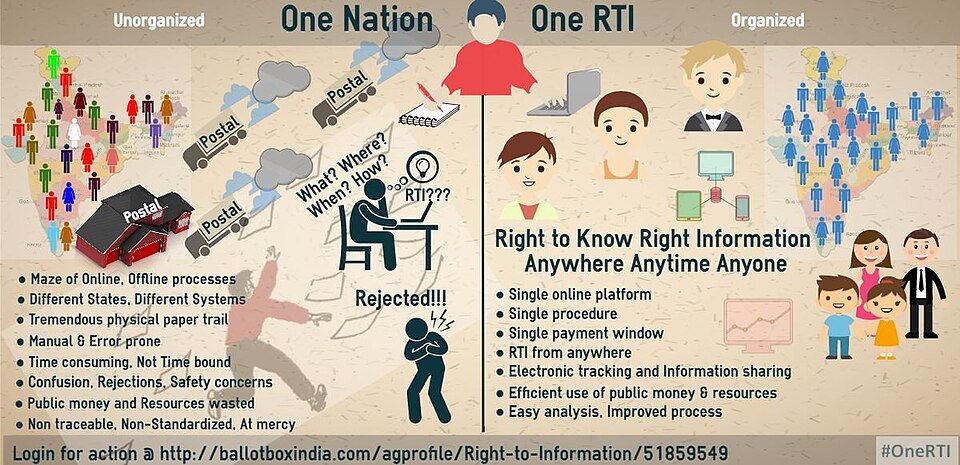
How to use the Right to Information Act
Any citizen can ask a public authority for information. How to apply, how long they have to answer, how to…
How the Supreme Court hears a case
Writ petitions, special leave, constitution benches, review and curative petitions — the routes into India’s…
Comments (0)