 India
 China
 Japan
 Pakistan
 Bangladesh
 South Korea
 Israel
 Palestine
 Iran
 Saudi Arabia
 United Arab Emirates
 Türkiye
 Egypt
 United Kingdom
 France
 Germany
 Ukraine
 Russia
 United States
 Canada
 Brazil
 Nigeria
 South Africa
 Australia
What makes a city worth living in?
Beyond the skyline, a closer look at the everyday spaces that shape how we live together.
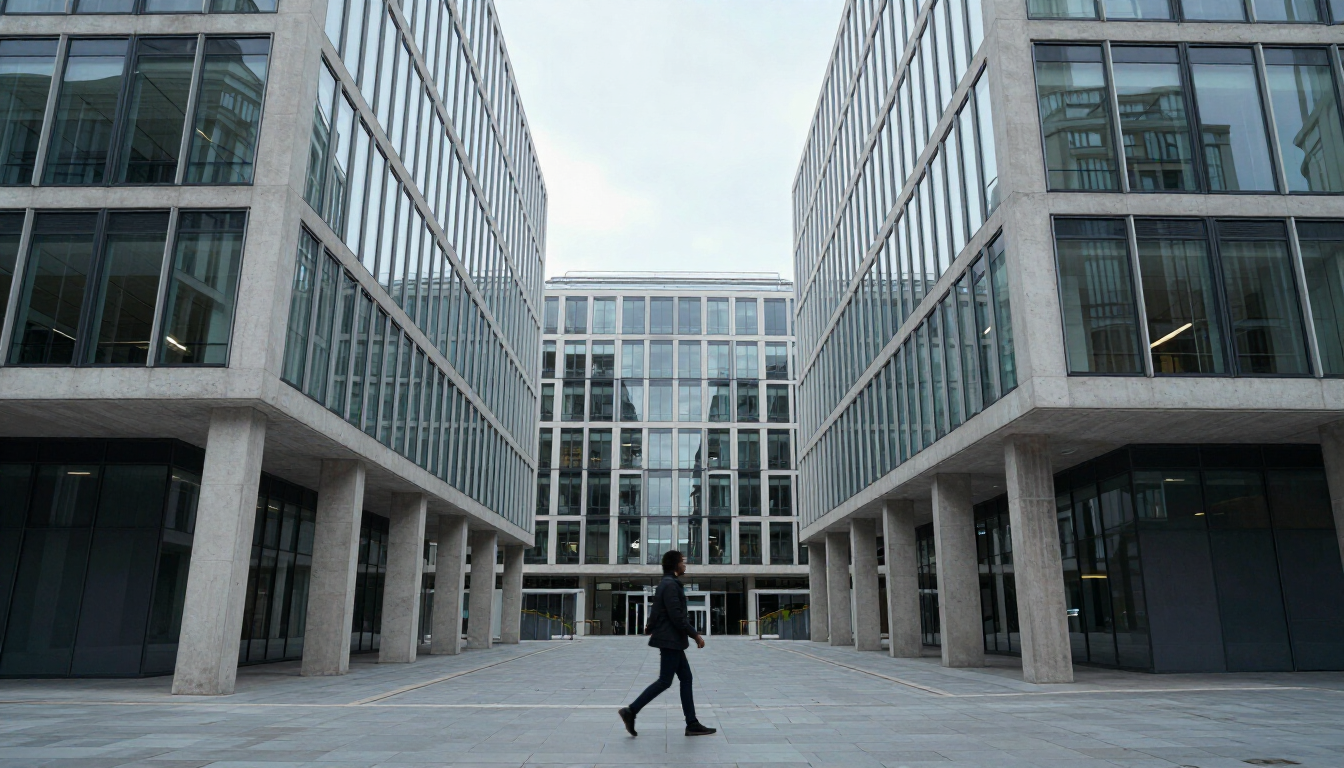
A city is more than its most photographed buildings. It is the walk to the bus stop, the bench that catches the afternoon sun, and the public square where you can stay without having to buy anything. These ordinary experiences tell us more about urban life than a skyline ever could.
When we discuss better cities, we often begin with grand plans. But the questions that matter are surprisingly practical: can a child cross the road safely? Can an older neighbour find somewhere to sit? Does the person working a late shift have a reliable way home? A useful definition of progress begins with those experiences.
Density can bring people closer to opportunity, but proximity alone is not enough. Streets need to be accessible, housing needs to be secure, and public spaces need to feel genuinely public. Designing for everyday life means listening to people whose needs rarely appear in an architectural rendering.
The most liveable city is not necessarily the most spectacular. It is the one that makes ordinary days a little easier, and gives more people a meaningful stake in the place they call home.

The world races to write the rules for artificial intelligence
From Brussels to Washington to New Delhi, governments are drafting frameworks that will shape a defining…

As the qualifiers narrow, the margins grow thinner
A handful of nations are fighting for the last places at the tournament, where a single goal can define a…

A new telescope is rewriting the early history of the universe
Images from the edge of the observable cosmos are answering old questions and asking better new ones.
Comments (0)