 India
 China
 Japan
 Pakistan
 Bangladesh
 South Korea
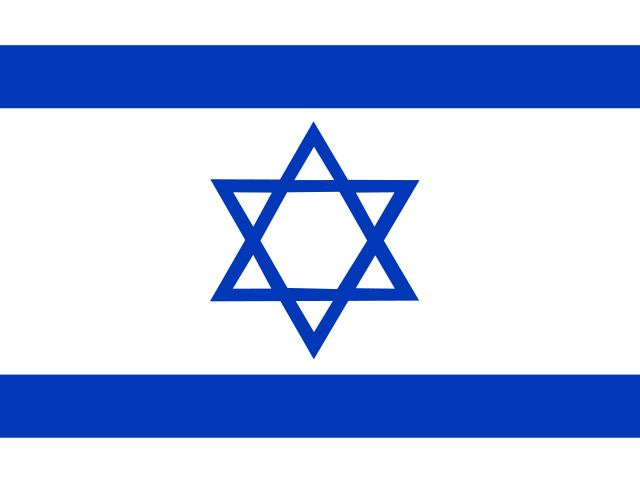 Israel
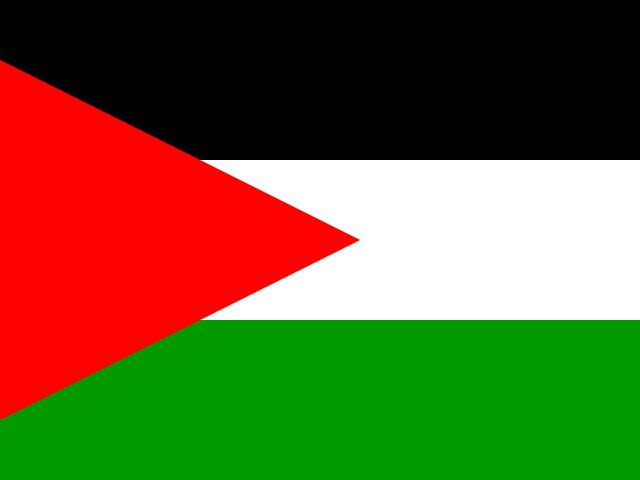 Palestine
 Iran
 Saudi Arabia
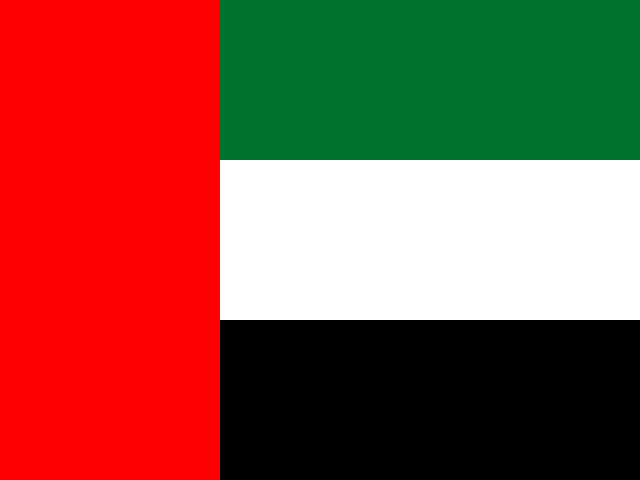 United Arab Emirates
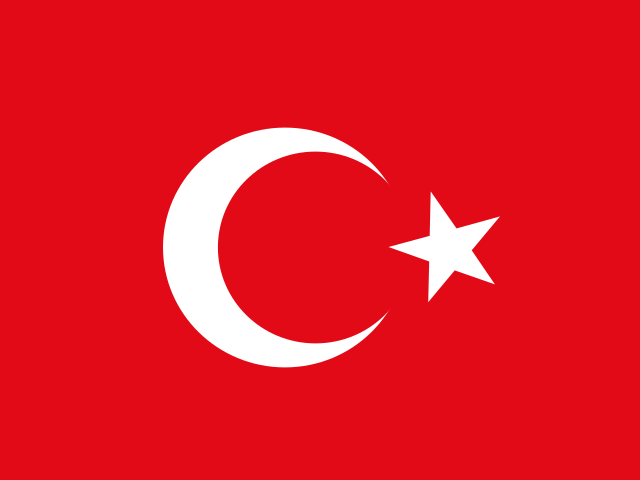 Türkiye
 Egypt
 United Kingdom
 France
 Germany
 Ukraine
 Russia
 United States
 Canada
 Brazil
 Nigeria
 South Africa
 Australia
Fact-check Methodology.
How we choose claims, research them and decide on a rating.
Choosing claims
We check claims that are widely shared, made by people with power or influence, or that could cause real-world harm if believed. We check claims from across the political spectrum.
Research
We contact the person or organisation that made the claim, consult primary sources such as official data, documents and recordings, and speak to independent experts. Every fact check lists its sources.
Our ratings
- True — accurate, with nothing significant missing.
- Mostly true — accurate but needs clarification or extra information.
- Missing context — could mislead without additional context.
- Misleading — contains some truth but creates a false impression.
- False — not accurate.
- No evidence — the claim is presented as fact but no supporting evidence exists or has been offered.
- Satire — content intended as humour that is being shared as if it were real.
Updates
If new evidence emerges, we update the fact check and note the change.
Last updated 31 Oct 2026