 China
 Japan
 Pakistan
 Bangladesh
 South Korea
 Israel
 Palestine
 Iran
 Saudi Arabia
 United Arab Emirates
 Türkiye
 Egypt
 United Kingdom
 France
 Germany
 Ukraine
 Russia
 United States
 Canada
 Brazil
 Nigeria
 South Africa
 Australia
 India
When the monsoon becomes unpredictable
Farmers who built their lives around a reliable rhythm are adapting to a season that no longer keeps its promises.
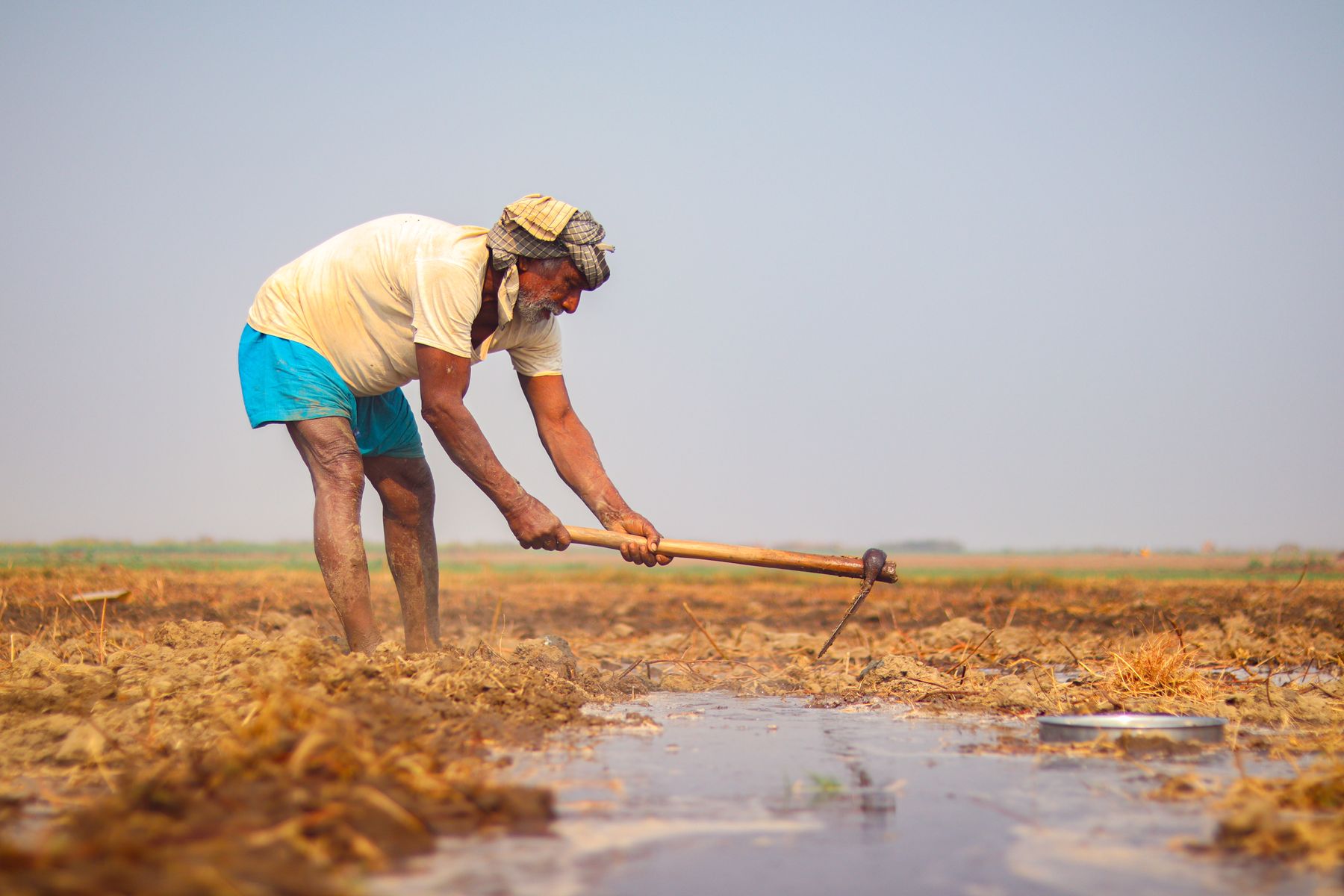
For generations, the monsoon was a calendar as much as a weather event. When it arrived, how long it lasted, and how much it brought shaped the entire agricultural year. A reliable rhythm is now an unreliable one.
The changes are not only in total rainfall but in its pattern: intense bursts, longer dry spells, and a season that arrives late and departs early. Crops bred for one climate are being asked to grow in another.
Adaptation is happening, field by field, through different seeds, different planting dates, and different ways of storing water. But adaptation has limits, and it costs money that the smallest farms do not always have.
The monsoon is a reminder that climate change is not a future event but a present condition, felt first by those whose lives are most directly tied to the sky.

Phillips hits a 49-ball hundred as New Zealand crush India by 87 runs in Auckland
New Zealand piled up 259 for 7 at Eden Park and Jacob Duffy took four wickets. India lead the five-match…

Explained: why the rupee is stuck near 95 to the dollar, and what it means for you
Costly oil, a strong dollar and foreign selling have kept the currency near record lows for months. Here is…

Sensex jumps more than 900 points on hopes of a capital-gains tax cut, a steady Fed and softer oil
The Sensex closed at 74,151 and the Nifty at 22,937. Realty and PSU banks led the gains, while Trent and…
Comments (0)