 India
 China
 Japan
 Pakistan
 Bangladesh
 South Korea
 Israel
 Palestine
 Iran
 Saudi Arabia
 United Arab Emirates
 Türkiye
 Egypt
 United Kingdom
 France
 Germany
 Ukraine
 Russia
 United States
 Canada
 Nigeria
 South Africa
 Australia
 Brazil
Can a standing forest be worth more than a felled one?
Brazil is testing whether an economy can be built around keeping the Amazon intact, and whether the world will help pay for it.
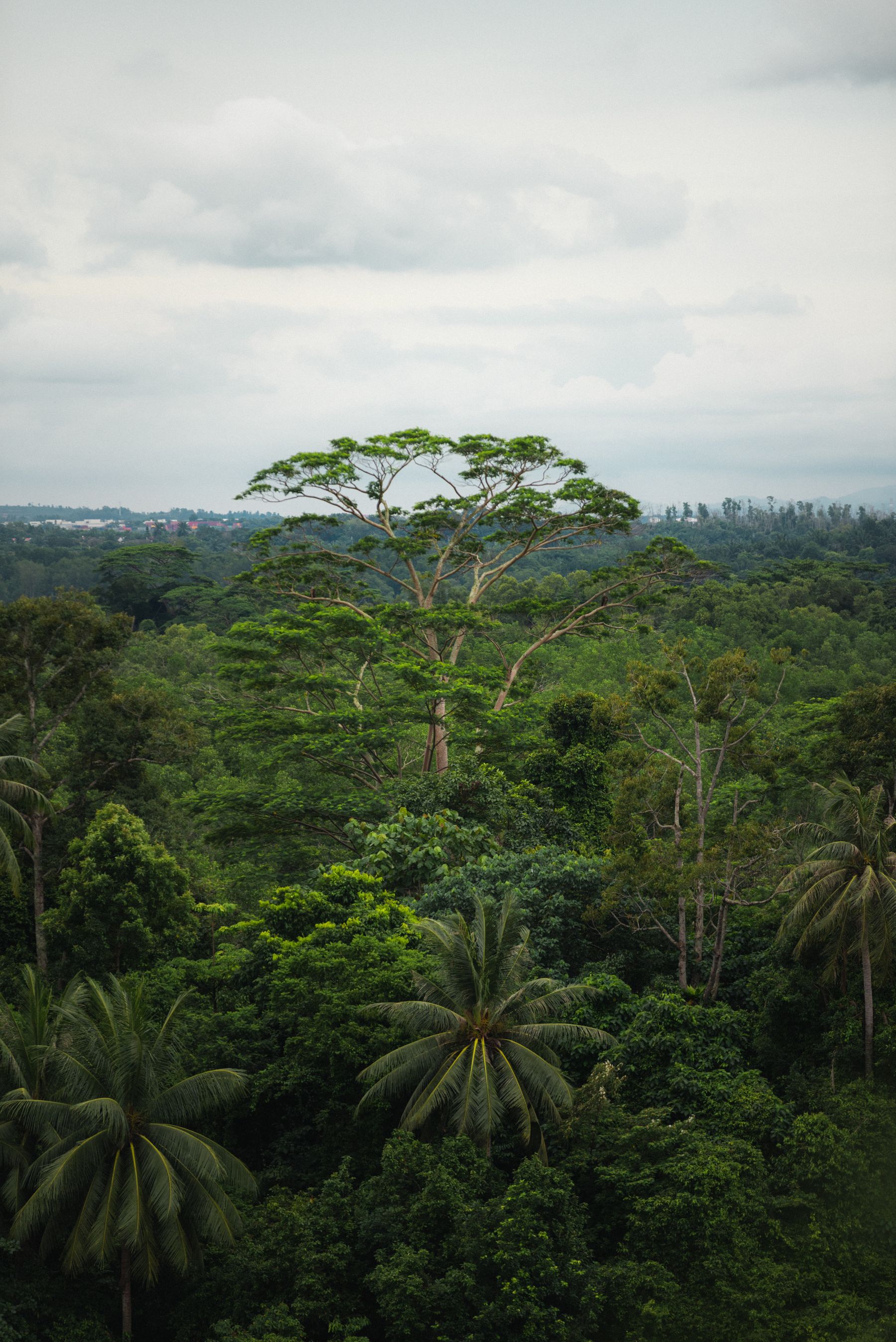
The Amazon has been valued, for generations, only when cut down. The timber, the pasture, the soy, all convert a living forest into a commodity. The question Brazil is testing is whether a standing forest can be made worth more.
The mechanisms are various: carbon markets, payments for conservation, sustainable industries that depend on the forest remaining. Each carries promise, and each carries the risk of becoming another way to extract.
The forest’s value to the climate is global, but the cost of protecting it is local. A durable answer requires the world that benefits to share the cost, not merely to demand the outcome.
Whether a forest can be worth more alive than dead is, in the end, a question about what an economy is for. Brazil is asking it. The answer belongs to everyone.
Comments (0)